
Technology as a Sustainability Enabler
Caribbean nations face unique environmental challenges including vulnerability to climate change, limited natural resources, and ecosystems that are both economically vital and ecologically fragile. Technology offers powerful tools to address these challenges while simultaneously improving business efficiency and resilience. From renewable energy management and resource optimization to supply chain transparency and remote work infrastructure, digital solutions can help Caribbean businesses reduce their environmental footprint while strengthening their competitive position. Sustainability through technology is not just an ethical imperative but a strategic opportunity for Caribbean organizations.
Energy Management and Optimization
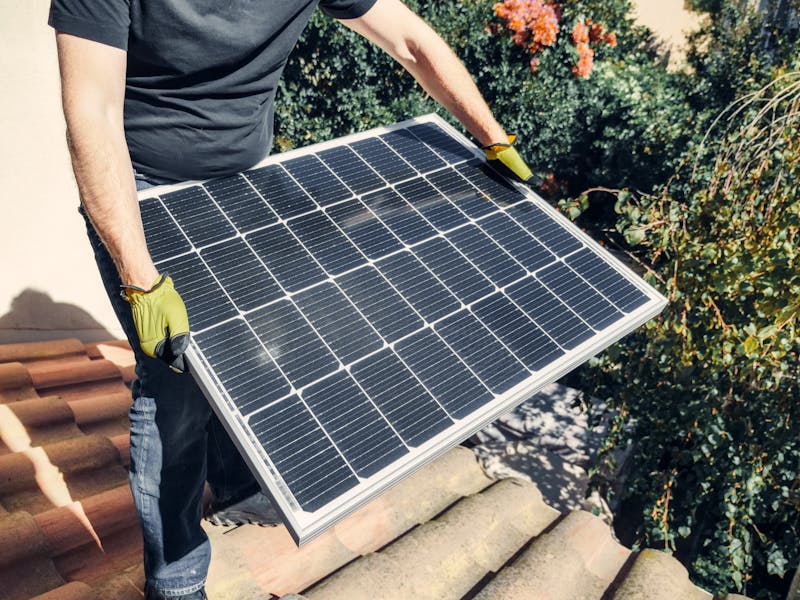
Energy costs represent a significant operating expense for Caribbean businesses, and the region's reliance on imported fossil fuels creates both economic vulnerability and environmental impact. Smart energy management systems use sensors, data analytics, and automation to optimize energy consumption across facilities, reducing waste without compromising comfort or productivity. Solar power management platforms enable businesses to maximize the value of renewable energy investments through intelligent load balancing and storage management. Cloud migration reduces the need for energy-intensive on-premises server rooms, shifting computing workloads to hyper-efficient data centers that achieve far better energy utilization than typical Caribbean server installations.
Digital Alternatives to Physical Resources
Technology enables Caribbean businesses to reduce their consumption of physical resources by providing digital alternatives. Cloud-based document management systems eliminate paper usage while improving accessibility and collaboration. Video conferencing and virtual meeting tools reduce the need for inter-island travel, saving fuel costs and carbon emissions while enabling more frequent collaboration. Digital marketing replaces print advertising with more measurable and less resource-intensive online campaigns. E-commerce platforms reduce the need for physical retail space while expanding market reach. Each digital substitution represents both an environmental benefit and a potential cost saving for the organization.
Supply Chain Transparency and Optimization
Technology provides Caribbean businesses with unprecedented visibility into their supply chains, enabling more sustainable sourcing and distribution decisions. IoT sensors and tracking systems monitor the condition and location of goods throughout the supply chain, reducing waste from spoilage and damage. Data analytics optimize inventory levels, reducing overproduction and the associated resource waste. Blockchain technology enables transparent tracking of product origins and production methods, supporting the growing consumer demand for sustainably sourced goods. For Caribbean businesses that depend on tourism and agriculture, supply chain technology helps demonstrate the sustainable practices that increasingly influence customer purchasing decisions.
Building Resilient Operations
Sustainability and resilience are closely linked for Caribbean businesses operating in a region prone to hurricanes, flooding, and other natural disasters. Cloud-based systems and distributed architectures ensure business continuity when local infrastructure is disrupted. Remote work capabilities allow operations to continue even when physical offices are inaccessible. Automated backup and disaster recovery systems protect critical business data from loss. Resilient communication platforms maintain connectivity with customers, employees, and partners during disruptions. By investing in technology that enhances resilience, Caribbean businesses simultaneously reduce their vulnerability to climate-related disruptions and position themselves for long-term sustainability.